2025 was anything but a quiet year in marketing analytics.
New tools popped up seemingly every week, AI crept deeper into workflows, and marketers everywhere continued their quest to answer the same timeless question: “What’s actually working?”
Spoiler: the platforms didn’t suddenly start telling the whole truth.
But marketers did get smarter, measurement got more sophisticated, and the industry made real progress toward clarity-even if it occasionally felt like three steps forward, one step back.
Here’s a friendly tour through what mattered in 2025 and what these trends say about where we’re all headed in 2026.
Self-Service Measurement Grew Fast - But Still Has Growing Up to Do
One of the biggest developments this year was the flood of self-service measurement tools promising to democratize MMM, incrementality, and geo experiments. The idea is appealing: give teams the power to run analyses without relying on data scientists or outsourced partners.
But the reality is still mixed. Many of these tools delivered directional insights but struggled with accuracy and nuance, especially when limited to platform-provided data. Automated insights often reflected the lens of the platform rather than a holistic view of performance. The movement toward self-service is encouraging, but 2025 showed that sophisticated questions still require more sophisticated setups.
Marketers Shifted From Demand Capture to Demand Creation
A major behavior shift this year came from brands rethinking how their budgets supported growth. Many started 2025 heavily invested in search - particularly branded search - because it appeared efficient. But incrementality testing told a different story. A lot of spend wasn’t bringing in new customers; it was simply capturing those already on the path.
As a result, budgets began shifting toward channels that could generate new demand. TikTok saw renewed interest, especially for brands looking to reach fresh audiences. Amazon DSP also continued to gain momentum thanks to its high-quality audience data and reliable incremental contribution. These shifts didn’t replace performance channels; they balanced them in smarter ways.
Streaming and CTV Became More Strategic (and More Mainstream)
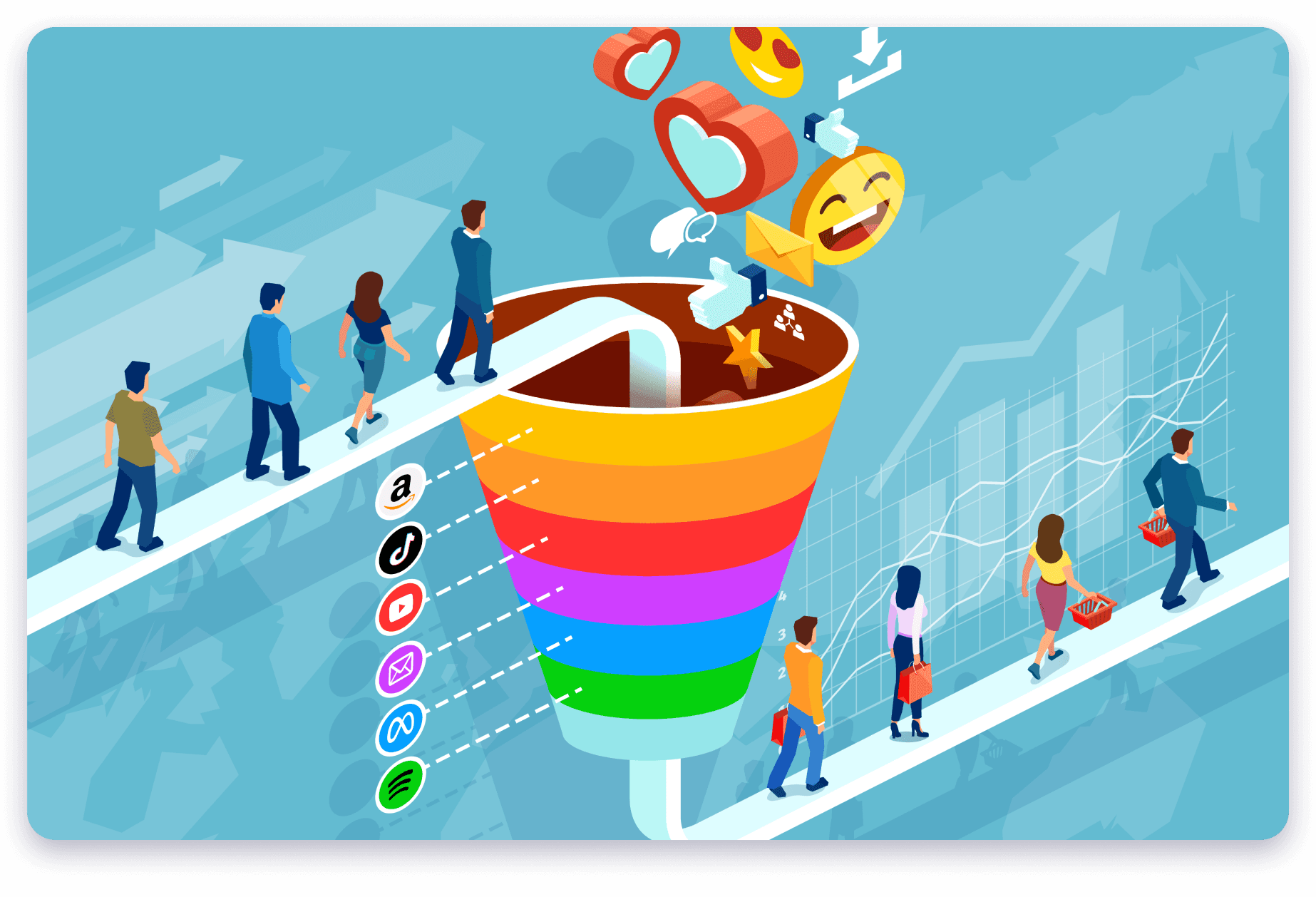
Streaming TV continued its move into the mainstream, becoming accessible to brands of all sizes. The conversation shifted from “Should we be on CTV?” to “How should we buy it, and what actually works?”
With platform-reported metrics offering only partial visibility, more advertisers leaned on structured tests to understand the real incremental lift from streaming investments. The brands that approached CTV with disciplined experimentation - rather than pushing spend in blindly- tended to uncover the clearest performance signals. Amazon DSP and the rise of Prime Video, with continued investment in NFL Thursday Night Football and now NBA games, became one of the standout opportunities marketers leaned into throughout 2025.
Experimentation Grew Up: Beyond A/B Testing
A/B testing remained useful for creative and bid-level tweaks, but 2025 saw a broader embrace of causal experiments and geo-based testing. More marketers were willing to shut off media in specific DMAs or launch channels in controlled markets to get a clean read on performance.
This shift signaled a growing awareness that platform lift tests and surface-level metrics can only go so far. Causal experimentation brought clarity that MMM alone couldn’t deliver, especially when validating individual channels or tactics.
AI Became a Helpful Partner, Not a Replacement
AI made real strides in two key areas this year: streamlining backend data processes and accelerating insight generation. On the engineering side, AI reduced manual data wrangling and made it easier to maintain consistent, automated pipelines across channels. This alone saved teams meaningful time. Shout out to Gemini and Claude as the heroes for Slingwave, with an ongoing nod to OpenAI / ChatGPT.
On the insights side, AI became increasingly useful for scanning large datasets and surfacing initial hypotheses. But it still lacked the marketing context needed to interpret results correctly. In 2025, AI worked best as a collaborator - speeding up the work, not replacing the strategic thinking behind it.

Influencers and Podcasts Remained Measurement Headaches
Despite continued growth in spend, influencers and podcasts remained among the toughest channels to measure. Influencer data is fragmented and inconsistent, making it difficult to quantify true impact. Podcasts face challenges with impression tracking, long lag times, and reliance on promo codes that only tell part of the story.
Both channels remain areas where the industry is experimenting with new frameworks, but 2025 showed they continue to resist clean attribution. Pro tip: If you are a marketer and you can start to assemble timeseries data on your influencer activity, do it. It will help your measurement team have a starting point for quantification efforts of your influencer spend.
What Marketers Wanted Most in 2025
Across Slingwave’s partner base, two themes rose above the rest. First, brands wanted a clearer understanding of what was actually incremental - especially as platform-reported conversions grew more inflated and harder to trust. Second, marketers showed a stronger appetite for more sophisticated planning tools. Many were ready to move beyond “last year’s plan plus 10%” and instead use forecasting and scenario modeling to reallocate budgets with confidence.
These shifts underscored an industry that is becoming more measurement-minded, more skeptical of simplistic metrics, and more committed to data-backed planning.
Looking Ahead to 2026
If 2025 was the year the industry experimented with new tools and broadened its measurement toolkit, 2026 is shaping up to be the year those capabilities start working together more seamlessly. AI will play an even bigger role, particularly in collapsing the time between “data arrives” and “insights are usable.” Reporting will get faster, workflows smoother, and optimization more proactive. As an AI-native platform, we’re looking forward to unveiling several new updates. Stay tuned for what’s ahead.
As AI enablement empowers and accelerates the role of the measurement team, the heart of the work remains the same: understanding what genuinely drives growth. Tools will keep evolving, but the brands that pair smart measurement with thoughtful decision-making will continue to lead.
Here’s to a 2026 where marketers spend less time wrestling with data and more time celebrating wins.

Sam Adler
Sr. Director, Insights & Customer Success